Heat Where There Was No Fireplace
Many houses in La Canada Flintridge have a fireplace in the formal living room and none in the family room where people actually spend their evenings. Others have a den, a primary bedroom or a converted garage that would be pleasant with a fire. A direct-vent gas fireplace solves that. It needs no chimney, so it can go on almost any outside wall, and in some cases on an inside wall with a longer vent run.
This guide covers what the project involves and what drives the cost.
What a Direct-Vent Gas Fireplace Is
It is a factory-built firebox with a sealed glass front, a gas burner and logs or glass media. It breathes through a single coaxial pipe: an inner pipe that carries exhaust out, surrounded by an outer pipe that brings fresh air in. That pipe usually goes straight out the back of the unit through the wall, or up through the roof. Because the combustion is sealed off from the room, it uses no room air and adds no fumes, which makes it efficient and safe in tightly built rooms.
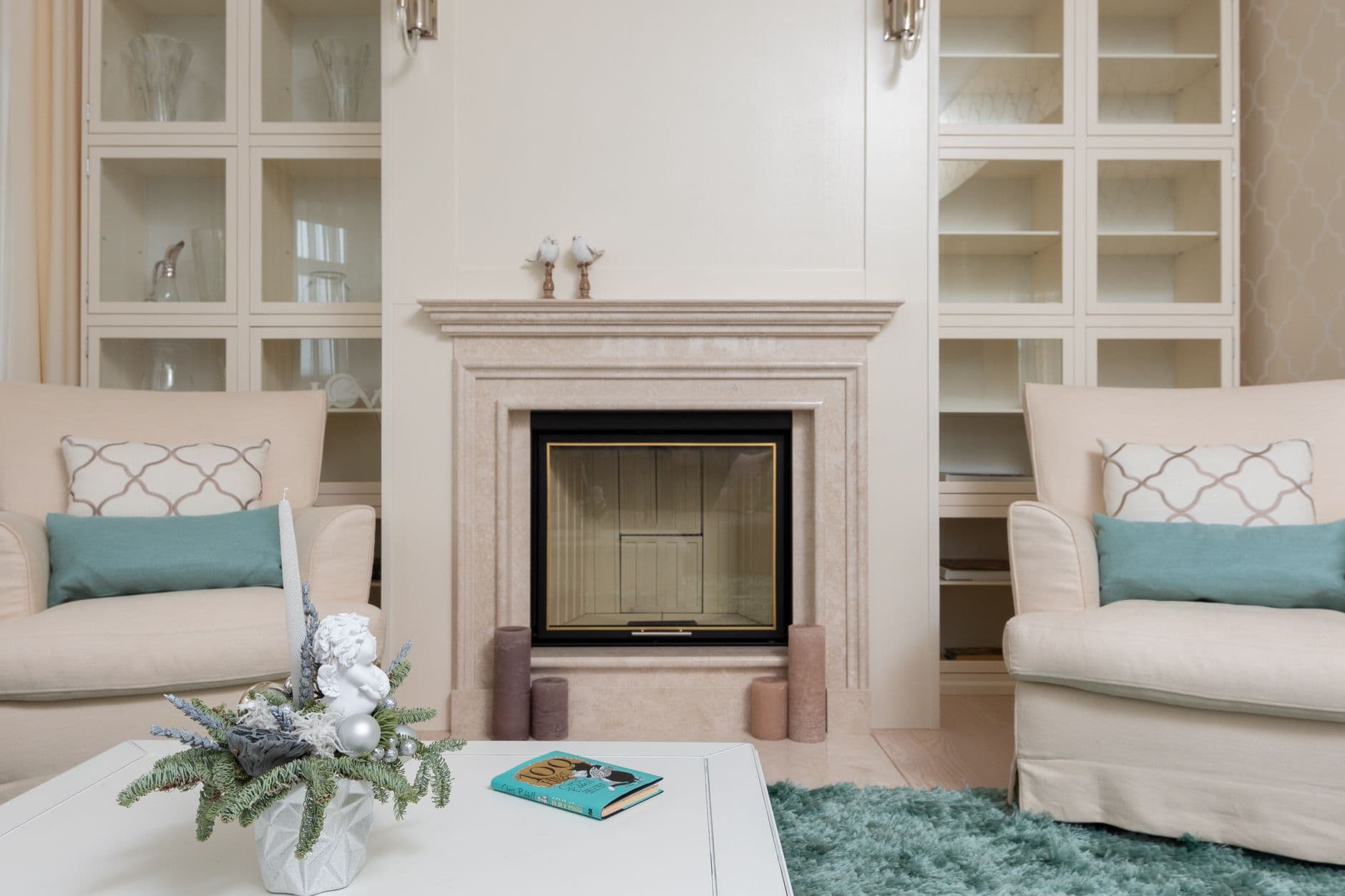
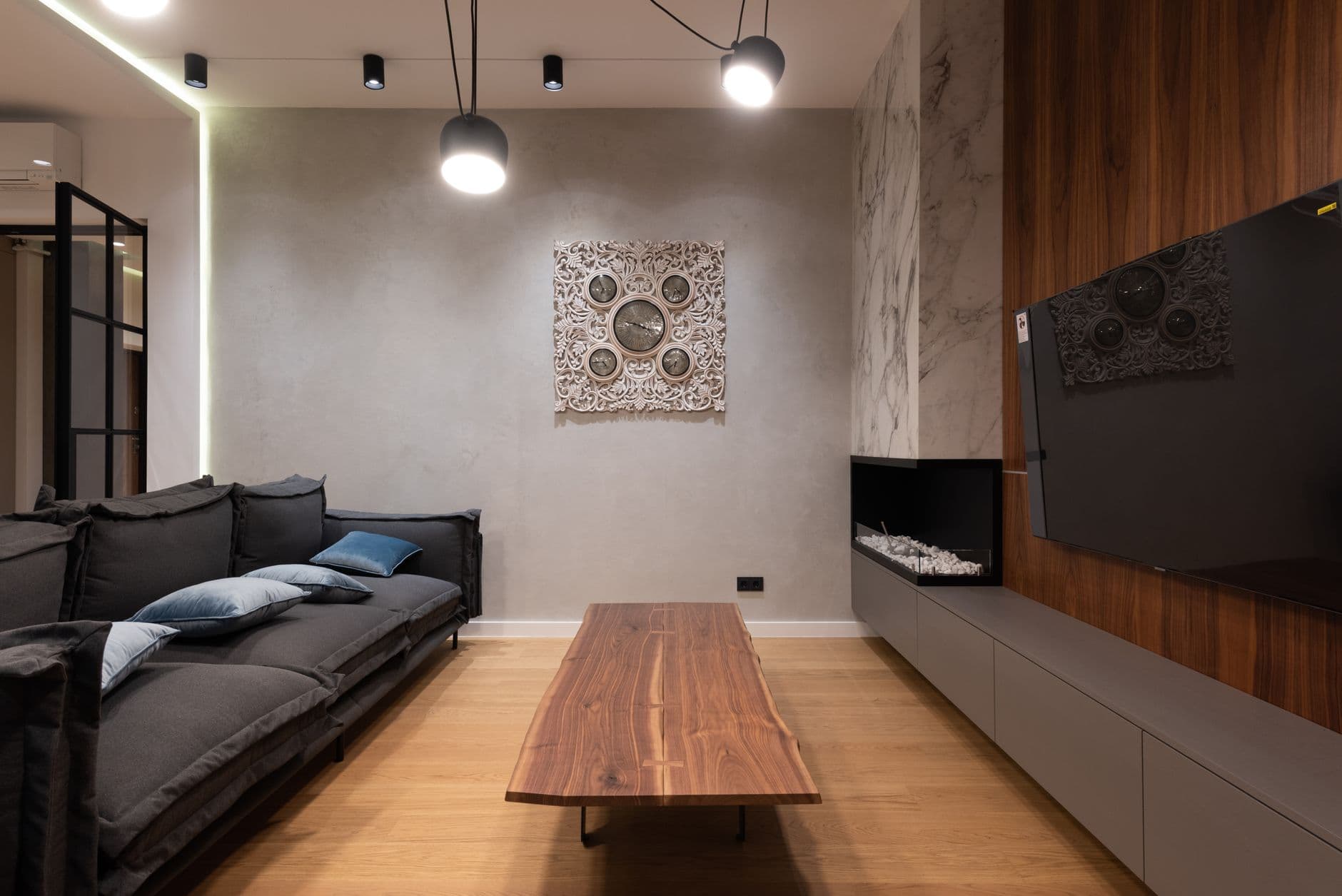
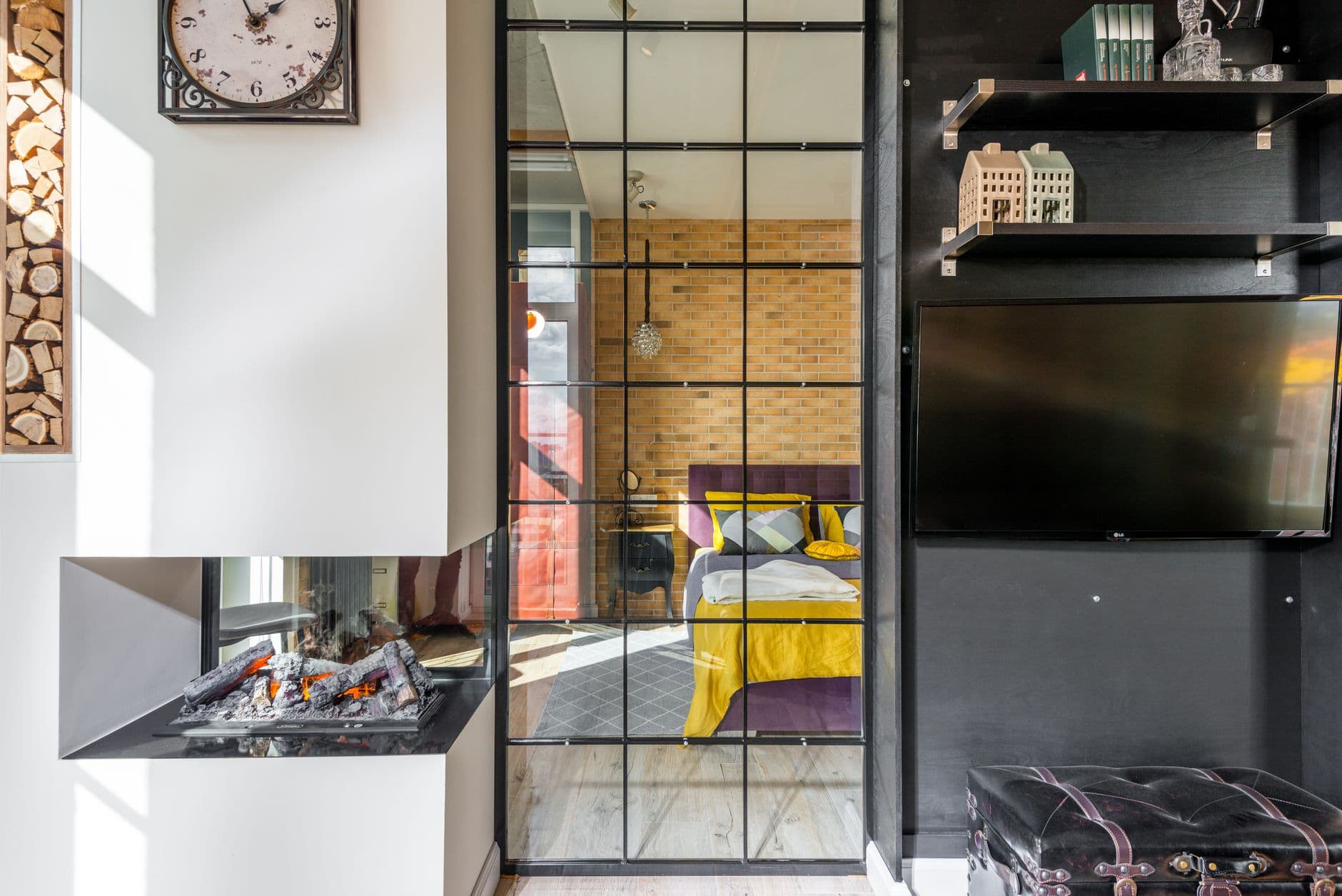
The unit is framed into a wall, set on a platform or in a chase, and finished with whatever surround you choose: tile, stone, plaster or a simple painted panel.
What It Costs
Our installed figure for a direct-vent unit on a wall with no fireplace today is $4,450 to $8,950. Inside that number: the firebox, its two-layer vent and wall cap, a gas run, framing, and the labor to put it together. Finish work beyond a basic surround, such as stone veneer, a custom mantel or built-in shelving, is quoted on top.
What Moves the Price
- - Unit size and style. A compact traditional unit costs less than a wide linear model with a modern burner.
- Vent route. A straight run out the back through an exterior wall is the simplest. Going up through a second floor or across to a distant outside wall adds pipe and labor.
- Gas line. A short run from an existing line is easy. A long run, or one that crosses finished spaces, costs more.
- Wall work. Building a new chase on an outside wall, or opening an existing wall and framing it to the unit's specifications, adds carpentry and drywall.
- Electrical. Units with blowers or electronic ignition need power at the box.
- Permits. Gas fireplaces need a building permit and inspection, which we handle.
Where It Can and Cannot Go
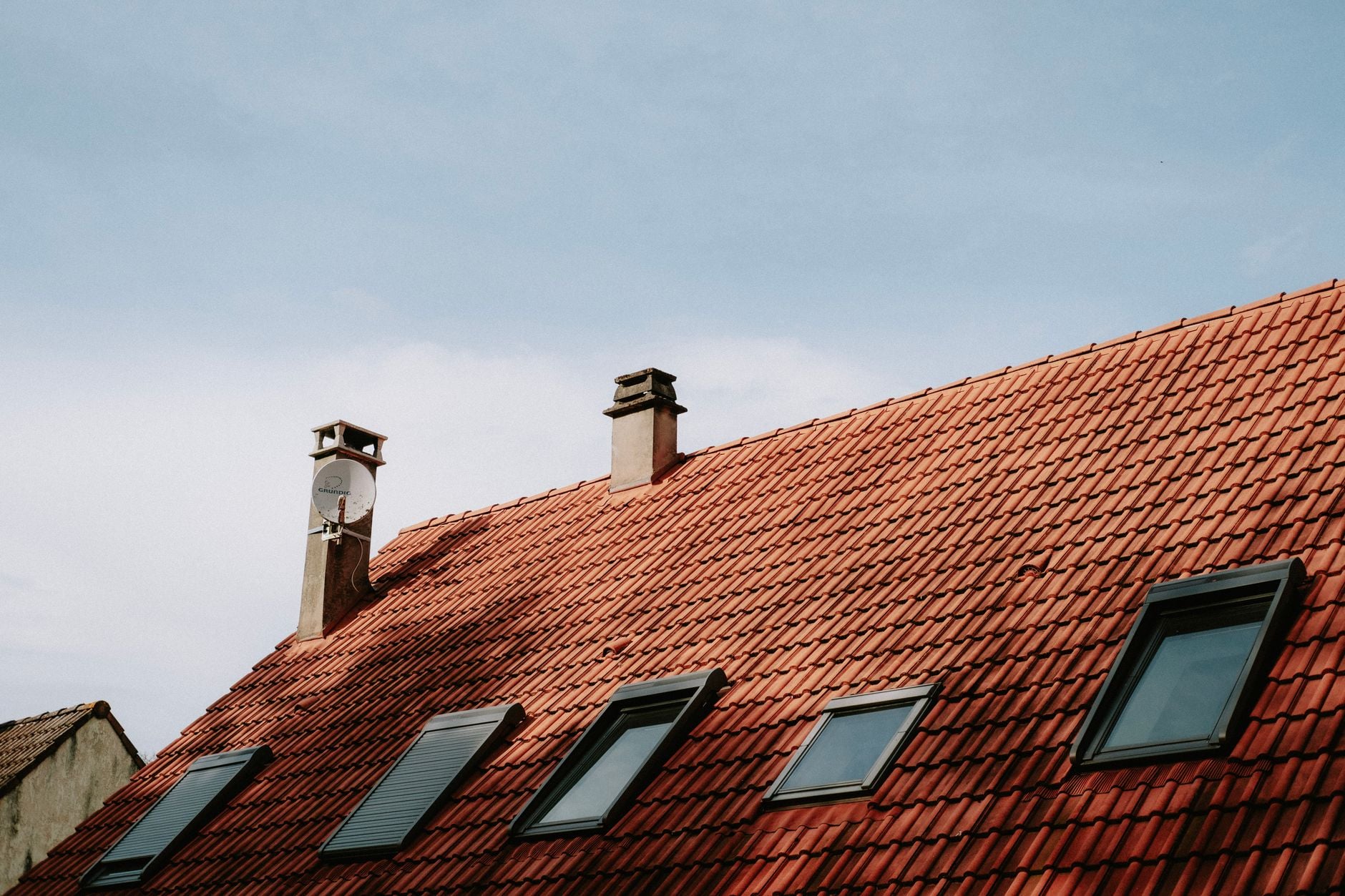
The vent's termination outside has clearance rules: distance from windows and doors that open, from corners, from the ground, from decks and from the property line. Those rules shape where a unit can sit. Some walls that look ideal from inside turn out to have a window or a neighbor's fence too close outside. We check the outside before settling on a spot. Inside, the unit needs set clearances to combustible materials, which decide how close a wood mantel or shelves can be.
Direct-Vent Fireplace or Insert?
If the room already has a masonry fireplace, a gas insert is usually the better value: with us, $2,800 to $5,600 installed, using the existing opening and chimney for the vent. The direct-vent fireplace is for rooms with no fireplace at all, or for owners who want the fire in a different spot than the old one. Some houses in La Canada Flintridge end up with both: an insert in the living room fireplace and a new direct-vent unit in the family room.
Price Your Room From Photos
Before any visit, three things narrow the range: an inside shot of the chosen wall, an outside shot of that wall with its windows and doors in frame, and a line saying where the gas meter sits. Send those through the quote form and we will reply with the likely unit size, vent route and a written estimate within the range above. A site visit then confirms the details before anything is ordered.
Planning the Look
The direct-vent unit sets the clearances, and those set what the finish can be. So we pick the unit first and design the surround around it, rather than the other way round. That avoids a mantel that has to be cut back or a tile layout that leaves an awkward gap. If the project is part of a larger remodel, tell us early so the gas and vent runs can be planned before the walls close.
How Long It Takes
From measuring to a working fireplace usually takes a few weeks, mostly waiting on the unit and the permit. The install itself takes one to three days, depending on the wall and vent work. The building inspector signs off on the gas line and venting before we finish the surround.
Living With It
A direct-vent fireplace needs a yearly service: cleaning the burner and pilot, checking the glass gasket, placing the logs as the maker shows, and looking at the vent termination outside for nests or damage. That keeps the flame clean and the warranty in order.
Thinking about a fireplace for a room that never had one? Press the phone icon to reach Vaughn Chimney Care and name the room you have in mind; a few quick questions about the wall usually tell us whether it is a straightforward job.
Ready to See What Fits Your Opening?
Vaughn Chimney Care works from Kinneloa Mesa on inserts, gas log sets and pellet stoves. Call with the width and height of the opening, and we bring the tape, the camera and the option sheet.