
Two Gas Upgrades That Look Alike in the Showroom
Gas logs and gas inserts both put a gas flame in your fireplace, and from across a showroom they can look similar. In daily use they are very different. One is mostly about the look of a fire. The other is about heat. Owners in La Canada Flintridge ask us to compare them more than almost anything else, so here is the honest comparison.
What a Gas Log Set Is
A gas log set is a burner pan with ceramic or refractory logs arranged on top, placed in the open firebox you already have. A gas line feeds the burner through a valve, and you light it with a key, a switch or a remote. Nothing seals the opening. The chimney stays open above it.
There are two kinds:
- - Vented sets burn with a tall, lazy, yellow flame that looks a lot like wood. Their exhaust rises up the chimney, so the damper must be held partly open whenever the gas is on. We fit a clamp that keeps it from ever fully closing.
- Vent-free sets burn hotter and cleaner with a shorter, bluer flame, and their exhaust stays in the room. They carry an oxygen sensor that shuts them off if room air runs low, and they are limited by room size and are not allowed in some spaces, such as bedrooms in many cases.
What a Gas Insert Is
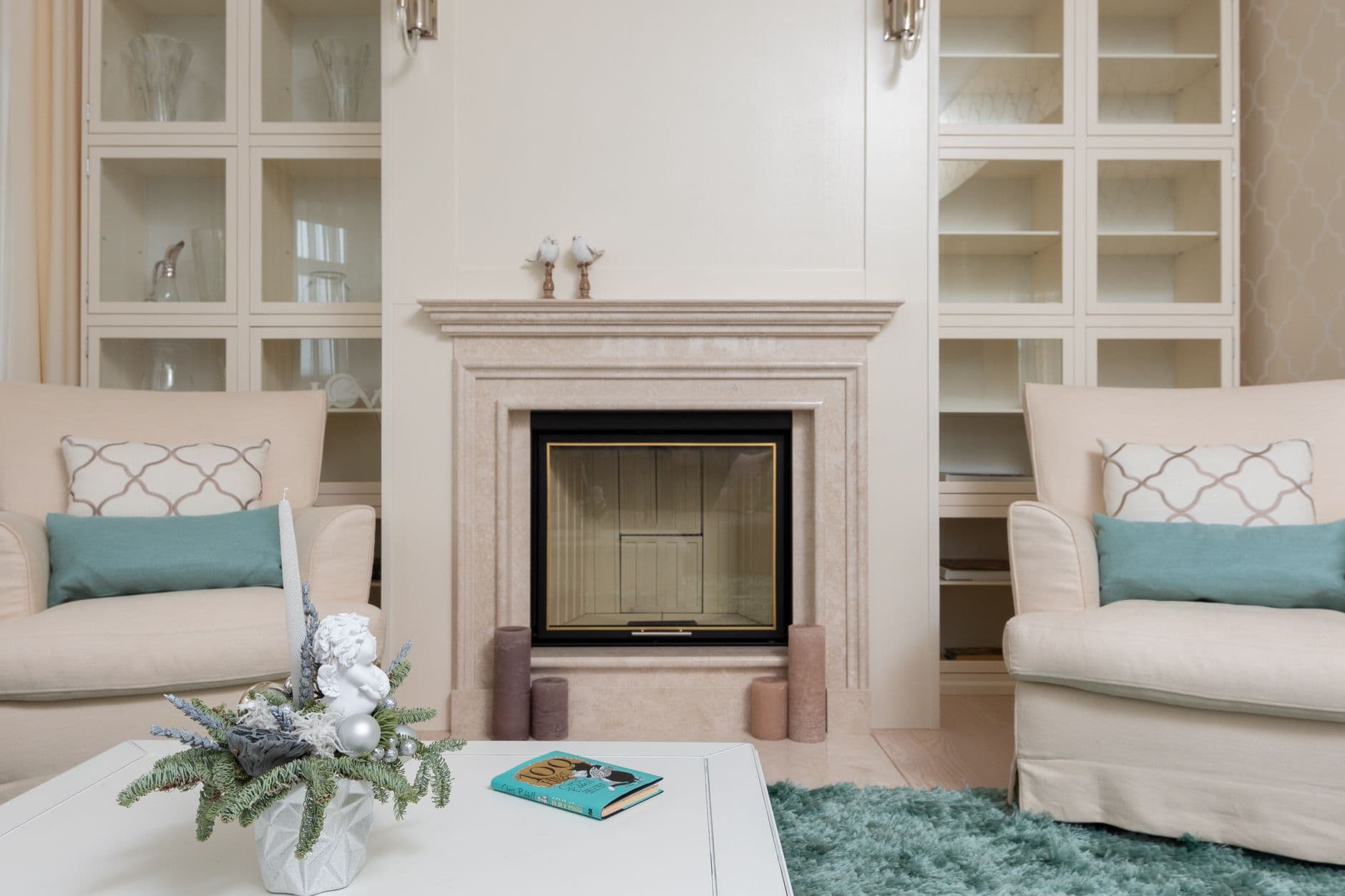
A gas insert is a complete sealed firebox that slides into your existing fireplace. It has a glass front, its own burner and logs, and two flexible liners that run up the chimney: one bringing outdoor air in for the flame, one taking exhaust out. Because it never uses room air and never leaves the chimney open, the heat it makes stays in the room. Most have a blower to spread it.
Heat: The Biggest Difference
Vented gas logs warm the area right in front of the hearth, but much of their heat goes up the open chimney with the exhaust. Worse, the open damper lets warm room air escape while the logs run. In a drafty room the net gain can be small. They are about ambiance first.
Vent-free logs put almost all their heat into the room, but that comes with moisture and combustion byproducts in the room air, and the size limits mean they suit only certain spaces.
A gas insert gives real, controllable heat without either problem. On a cold foothill evening it can warm a living room on its own, and many owners run the central heat less as a result.
Cost Side by Side
Gas log sets are the cheaper upgrade. Their cost depends on the size of the set, the style of logs, the type of valve and remote, and how much gas line work is needed. We quote them in writing after measuring. A gas insert costs more because it includes the sealed firebox and the venting: with us, $2,800 to $5,600 installed in an existing fireplace. The question is what you want for the money.
Which One Suits Your House
Gas logs make sense when:
- - You mostly want the look of a fire for guests or holidays.
- The room is already warm enough and you are not after heat.
- You like the open, traditional look of your fireplace and do not want glass across it.
- Budget is the main concern and you want a quick change.
A gas insert makes sense when:
- - You want to heat the room on cold nights.
- The fireplace makes the room colder now because of drafts.
- You would like to run the central heat less in the evening.
- You do not mind a glass front and a trim panel across the opening.
The Chimney Matters for Both
Vented logs need a sound chimney, because their exhaust goes straight up it. An insert needs a sound path for its liners. Either way, we check the flue first. For a log set in a chimney that has been in regular use, a standard inspection may be enough. For an insert, the change of appliance calls for a Level 2 camera scan under NFPA 211, which is $390 with us. Many older chimneys in La Canada Flintridge and Pasadena have cracked flue tiles from past earthquakes; an insert's liners bypass those, but vented logs would send exhaust through them, so a cracked flue can change the recommendation.
Getting a Side-by-Side for Your Fireplace
The best way to decide is to see both options priced for your own fireplace. Send the quote form with a photo of the opening and its width, height and depth, plus the size of the room. We will reply with a gas log set and a gas insert that fit, with a written figure for each, so you are comparing real numbers rather than showroom guesses.
Upgrading Later
Some owners start with a gas log set because it is quick and costs less, then move to an insert a few years later when they want real heat. That path works fine. The gas line run for the logs can usually be reused for the insert. If you think you might go that way, tell us at the start so we can plan the line size for the larger burner.
Reach Vaughn Chimney Care with the call button whenever you are ready to price either one. If you already know your opening size, have it handy and we can name a few models on the spot.
Ready to See What Fits Your Opening?
Vaughn Chimney Care works from Kinneloa Mesa on inserts, gas log sets and pellet stoves. Call with the width and height of the opening, and we bring the tape, the camera and the option sheet.