Two Very Different Ways to Heat a Room
Wood and gas inserts both close up an open fireplace and turn it into a real heater. After that, they have little in common. They burn differently, cost differently, ask different things of you, and suit different households. In La Canada Flintridge we install both, and the right answer almost always comes from how you live rather than from which one is "better."
Here is how they compare on the points that actually decide the choice.
How Each One Works
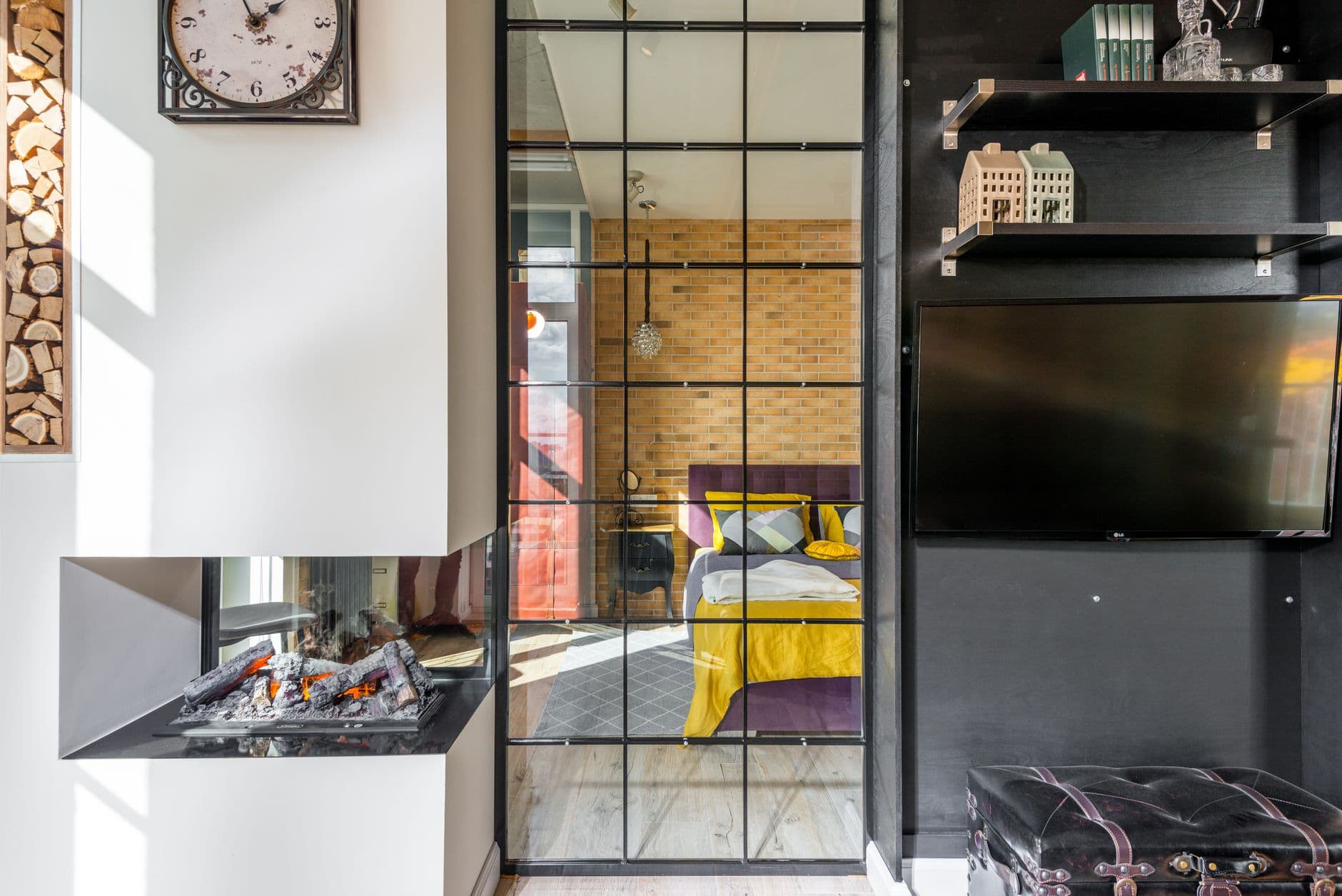
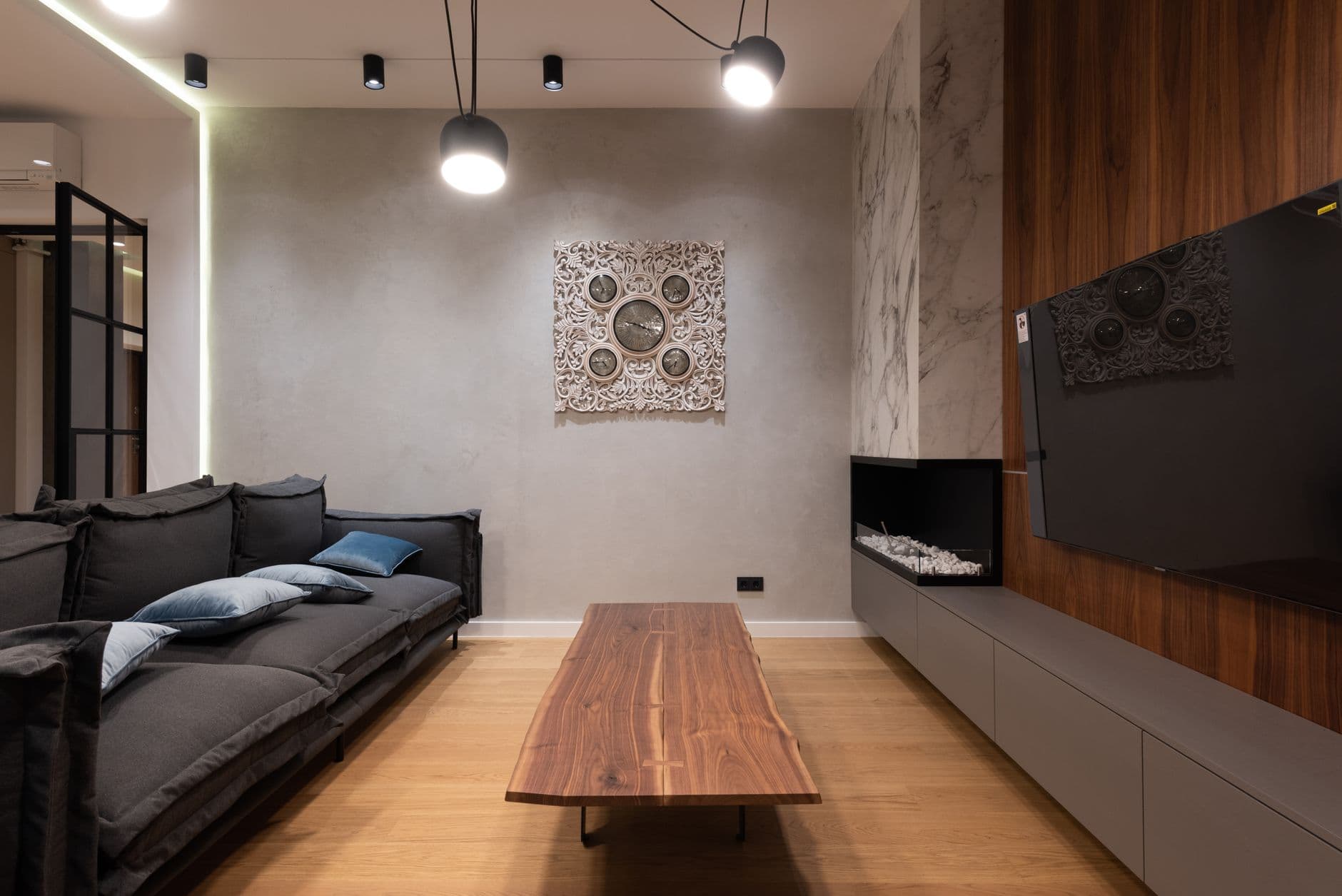
A gas insert is a sealed steel box with a burner, ceramic logs or glass media, and a glass front. It draws outside air through one flexible liner in the chimney and sends exhaust out through another. You turn it on with a switch, a remote or a wall thermostat, and it gives steady heat within a minute. Turn it off and it stops.
A wood insert is a heavy steel or cast-iron firebox with a door and a baffle inside the top. It burns logs at a controlled rate, set by an air lever, and sends smoke up a single stainless liner. Modern EPA-listed units burn the smoke inside the firebox before it leaves, so they are much cleaner than an open fire. You load it, light it, adjust the air, and it can hold a fire for hours.
Heat Output
Wood inserts usually win on raw heat. A good one can warm a large part of a ranch house, and the heat is the deep, radiant kind that soaks into masonry and keeps the room warm after the fire dies down. Gas inserts give strong, steady heat to the room they sit in and the space around it, and many have blowers that push it farther. For an evening of warmth in a family room, both are plenty. For heating most of a house through a cold spell, wood has the edge.
Cost
A gas insert with us costs $2,800 to $5,600 installed in an existing masonry fireplace. That figure covers the unit, the venting, the gas connection and the install, with the spread set by size, finish and how far the gas line has to go. Wood inserts are quoted in writing after measuring, since the unit, liner and any hearth work vary so much. The purchase prices often end up in a similar neighborhood. The running costs differ more: gas you pay for on the monthly bill, while wood costs whatever you pay for seasoned firewood, or nothing if you have your own supply.
Daily Life With Each
This is where most people decide. Gas asks almost nothing of you. No wood to buy, stack or carry. No ash to empty. No sparks. A yearly service visit and you are done. It suits busy households, people who mostly want an hour of warmth after dinner, and anyone who never really enjoyed tending a fire.
Wood asks for more. You need a dry place to store split, seasoned wood. You carry it in and ash out. The glass needs wiping, and the chimney needs sweeping at least once a year. Many owners enjoy all of that; it is part of the appeal. Others find it wears thin by the second winter.
Air Quality Rules
The South Coast AQMD covers Los Angeles County, and its Check Before You Burn program declares no-burn days when air quality is poor. On those days, burning wood is not allowed in most homes, even in an EPA-listed insert. Gas fireplaces and inserts are exempt. If you want to be sure the fireplace is usable every cold night of the season, gas is the safer choice. If you are happy to skip the occasional evening, wood still works well.
Fire Season Thoughts
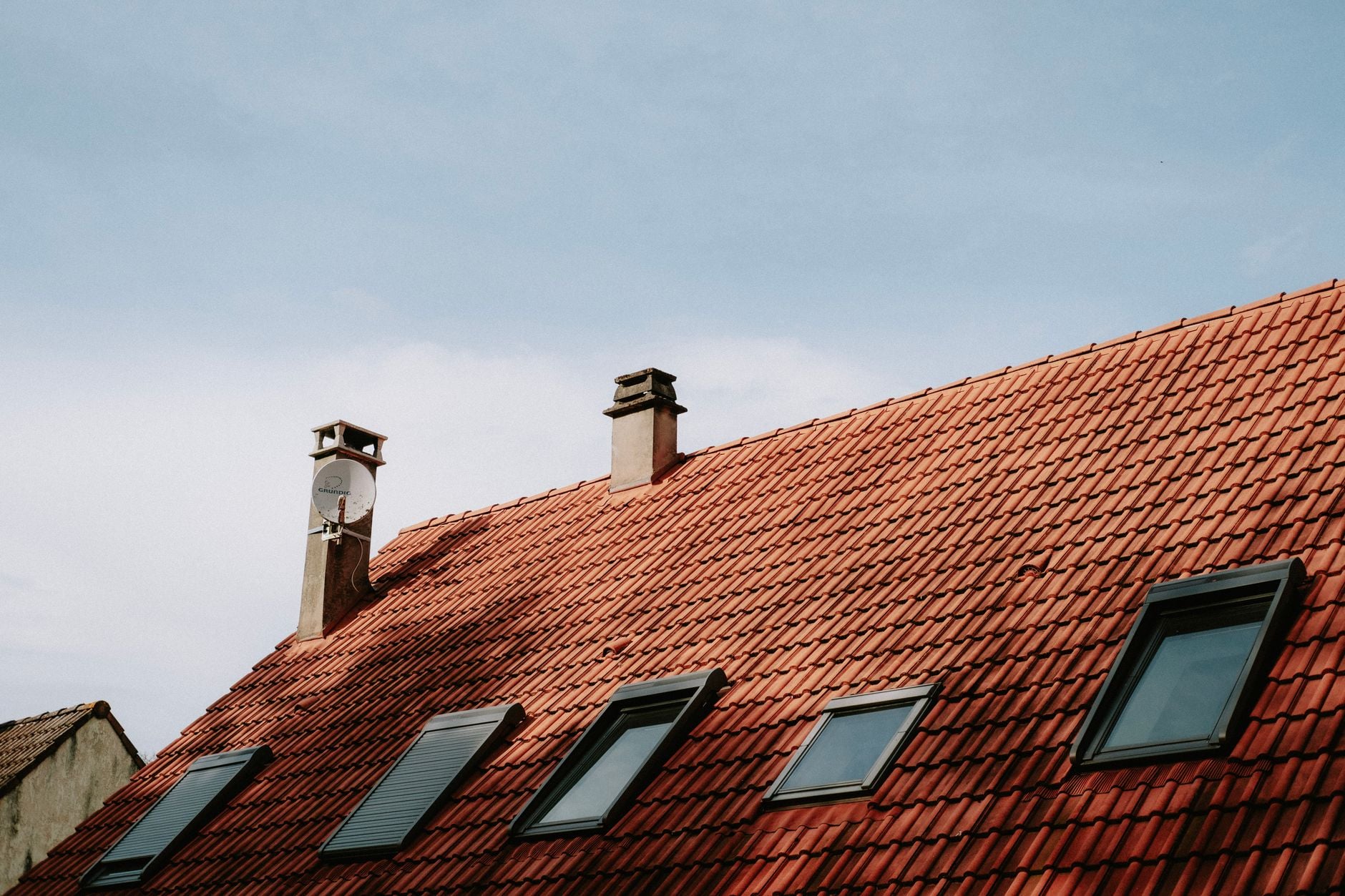
Living near the San Gabriels means taking embers seriously. Both kinds of insert are sealed, which is a big step up from an open fireplace that can throw sparks onto the hearth and send embers up the flue. Wood inserts still send some sparks up the chimney, so a good cap with an intact spark screen matters. Gas inserts produce no sparks at all. Neither one should be used on red flag days with high wind if you are uneasy, and a screened cap is wise on every roof up here regardless.
Which Openings Suit Which
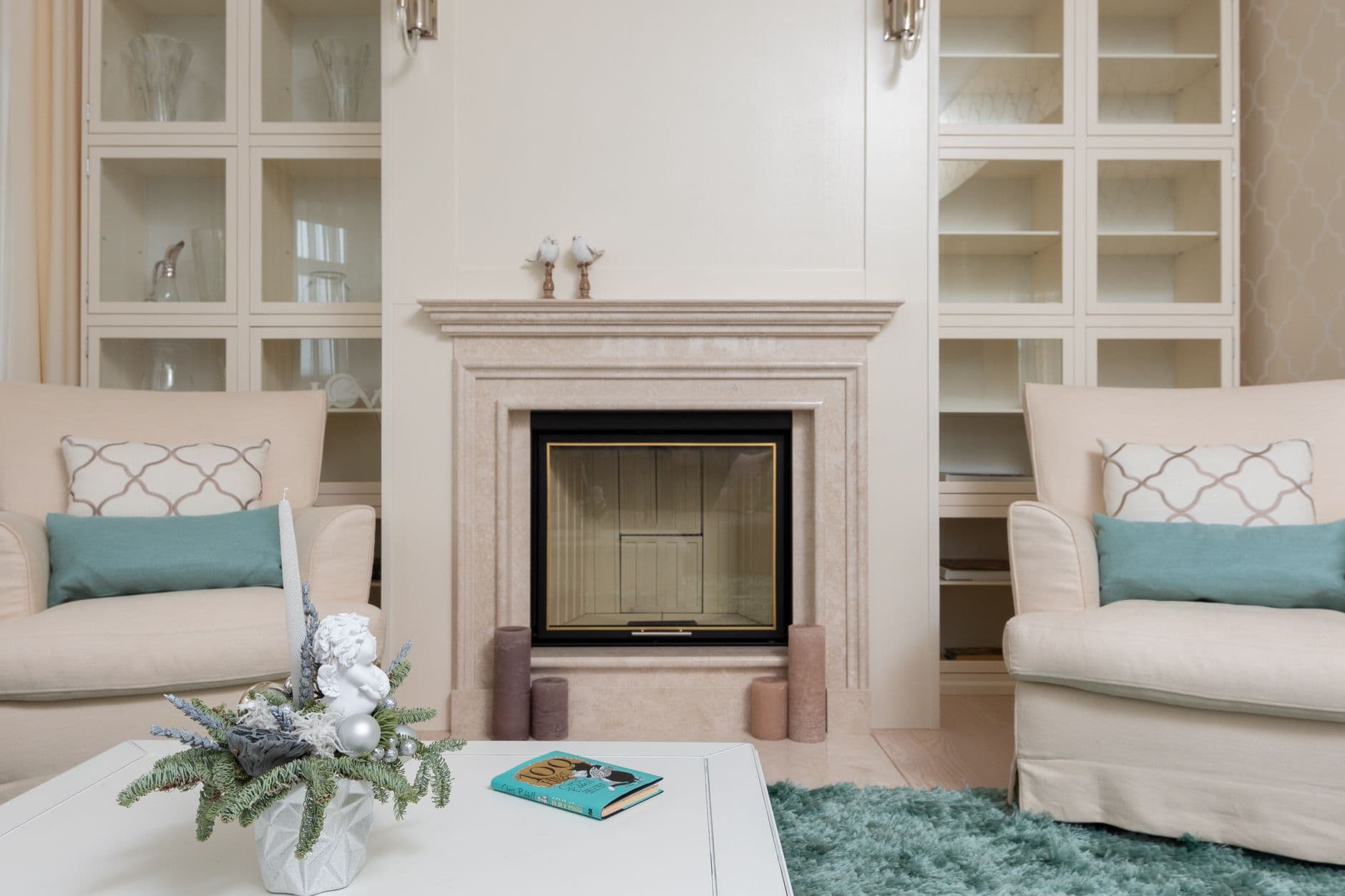
Not every fireplace takes every insert. Wood units tend to be deeper and heavier, so shallow fireboxes, common in some older Spanish Revival houses, rule some of them out. Gas units come in more shallow sizes. Very wide ranch-house openings may need a large trim panel with either. The only way to know is to measure, which is why we never recommend a unit before taking a tape to the firebox and a camera to the flue.
Where the Form Comes In
The quickest way to narrow the choice is to show us the fireplace. Send the quote form on this page with a photo of the opening, its width, height and depth, and a note on how you plan to use it: evening warmth, whole-house heat, or somewhere between. We will reply with the gas and wood units that fit and a written estimate for each, so you can see them side by side.
A Simple Rule of Thumb
If convenience and every-night use matter most, choose gas. If heat output and a real fire matter most, and you do not mind the work, choose wood. If you are torn, think about who in the house will actually tend it on a weeknight in January.
When you are ready to talk it through, reach Vaughn Chimney Care by tapping the phone link on this page. Have the fireplace measurements nearby if you took them, and we can usually narrow it to two or three models during the call.
Ready to See What Fits Your Opening?
Vaughn Chimney Care works from Kinneloa Mesa on inserts, gas log sets and pellet stoves. Call with the width and height of the opening, and we bring the tape, the camera and the option sheet.